


Things You Will Need
Modern cabinets are made from lightweight materials that make removal easy for one person, and electrical concerns don’t create problems as long as appropriate care is taken. In many cases, removing one cabinet and installing a new one can be done quickly.
-
Place a drop cloth over the sink to protect the sink and drain from any debris that might fall while removing the cabinet. You can place a piece of plywood over the drop cloth to support the cabinet when you remove it.
-
Empty the cabinet’s contents and put them in a safe place. If there is an internal cabinet light, turn the power off to the bathroom circuit to allow you to safely remove the cabinet and disconnect the electrical connections.
-
Remove any internal cabinet fixtures like shelves or other attachments that could dislodge when removing the cabinet. Peel away any caulk that sealing the cabinet to the wall, using a putty knife.
-
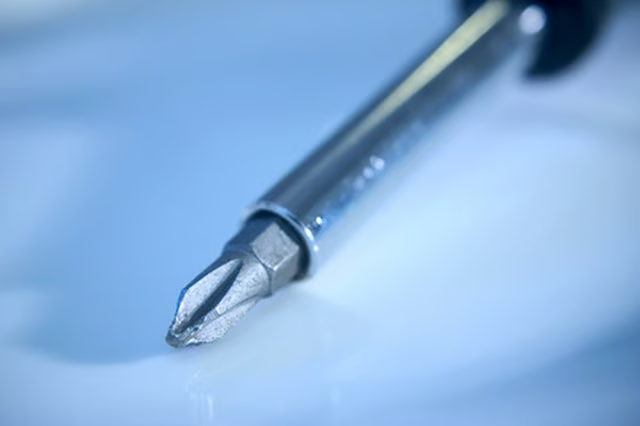
Remove the screws holding the cabinet to the interior wall framing, using a screwdriver. Begin at the bottom of the cabinet. Take out screws from alternating sides while working your way upward. Place all the screws on the sink base so they will not roll off.
-
Pull the cabinet slightly away from the wall to access the wiring for any light inside the cabinet. Don’t remove the cabinet so far that it puts a strain on the wiring within the wall. Remove any electrical tape from the connection carefully. Twist off the wire nuts to separate the cabinet light’s wires from the house wires.
-
Remove the cabinet from the hole and place it on a sturdy surface, like the protected sink or the floor. Either replace the cabinet with a new one, or patch the hole in the wall. Collect all tools and materials from the cabinet removal and clean the work area to remove any dirt or debris.