


Wall Age
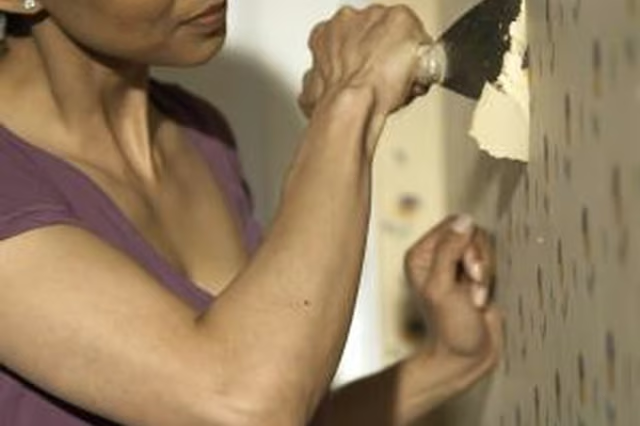
The age of walls has a lot to do with how roughly you can remove their wallpaper. Drywall manufactured before 1940 was gypsum combined with wood fiber or fiberglass and dried between two sheets of paper. The gypsum dried into a rocklike substance. You can steam wallpaper from original unprimed drywall because the surface stands up to steaming and scrubbing better than some more recent drywall materials, in which the plaster part turns to mush when it gets wet. If the wallpaper is not falling off newer drywall, leave it in place.
Primer
People did not usually use a primer on their walls before hanging wallpaper because the Sheetrock, old drywall or plaster was a perfect absorbent surface for wallpaper paste. The wallpaper stuck well. Instead of pulling down the wallpaper when they wanted to redecorate, they simply put wallpaper over the wallpaper already on the walls. Today, the thin paper coating on drywall or Sheetrock is not strong enough to hold up to the wet application of wallpaper adhesives, and so manufacturers advise customers to prime the drywall to seal it from moisture. Pulling off wallpaper from non-primed walls probably will ruin the drywall and require its replacement.
Solvent
White vinegar can help to dissolve and soften the glue on the back of wallpaper. If you have a spray bottle with a misting setting, you can use it to coat the walls lightly with white vinegar. Most wallpaper does not readily absorb liquid, however, and so scoring the paper's surface lightly with a sharp utility knife is necessary. You will know quickly whether the wallpaper will pull away from the unprimed Sheetrock or drywall or if you will have to leave it in place.
Removal Alternative
Instead of trying to pull well-glued sheets of wallpaper away from unprimed Sheetrock or drywall, an option is to prime over the wallpaper and paint the wall. That approach saves the Sheetrock's or drywall's integrity and saves you hours of time. If you are concerned with the texture of the wall not being perfectly smooth, add a little aggregate to the finish coat of paint for a more textured finish.