


Wheat pellets
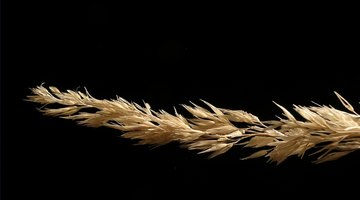
Wheat pellets are made from the waste byproduct of processing grain. Wheat pellets burn at about 7800 BTU per pound and produce about 6% ash, compared to 8000 BTUs and less than 1% ash for wood pellets.
Corn
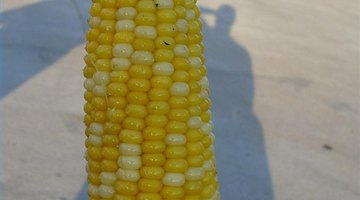
Dried, shelled corn produces about 8000 - 8500 BTU per pound. Corn is plentiful and relatively inexpensive, but corn produces more ash than other types of pellets, so the ash drawer must be cleaned more often. There are special stoves designed to burn corn, as well as stoves designed for a mixture of corn and wood pellets.
Cherry Pits
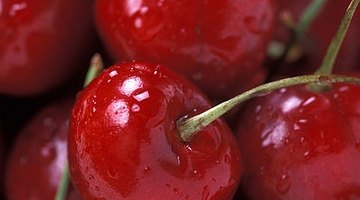
Cherry pits produce about 9500 BTU per pound and produce about the same amount of ash as corn. Like wheat pellets, cherry pits are a waste product. In areas of the country where cherries are grown commercially, cherry pits can be an economical fuel choice.
Soybeans
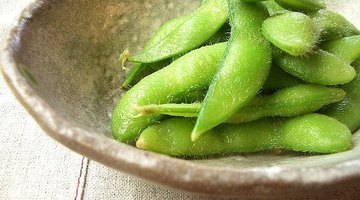
Dried soybeans produce approximately 10,000 BTU per pound and produce ash comparable to corn. The same pellets used for animal feed can be burned in a pellet stove.
Sugar Beet Pulp Pellets
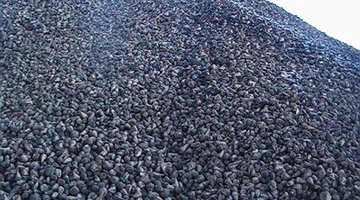
The byproduct of sugar production can be formed into pellets that are used as animal feed or fuel. Sugar Beet Pulp Pellets produce about 7000 BTU per pound and produce more ash than other biomass pellets.