


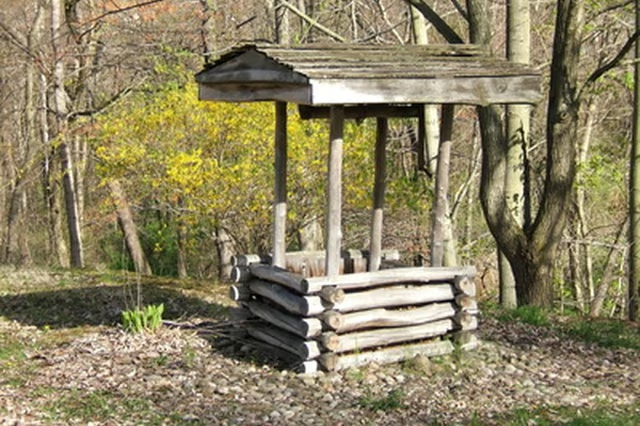
The concerns that arise about untreated well water stem from the many factors that can lead to its contamination. As a standing water source that is not exposed to direct sunlight, there are some dangers of using untreated well water for household use that you should be aware of. Keep your well water safe with regular water tests and treatments.
Odors
If you notice an odor emanating from your well, this can be a sign of an underlying water contamination problem. Sulfur bacteria in the well water produce a gas that has a spoiled egg smell from the decaying process of organic matter in or near the well water. While the smell from sulfur bacteria does not affect the well water sanitation itself, according to the Minnesota Department of Health, you cannot assume that any smell is conclusively from sulfur bacteria. Other causes of well water odors can be from soil pollution, gas or oil storage tank leakage or sewage contamination.
Discoloration and Taste
Untreated well water can lead to water discoloration, which can indicate a number of problems. Iron and manganese will not only change the color of the water but they also give the water a bitter taste. Magnesium and calcium in the well water causes scale to develop in the water, and high levels of sodium can give it a salty taste.
Metal Contamination
Metal contamination can be caused by a low water pH, which causes pipe corrosion that increases the amount of dissolved lead and iron in the water. Water discoloration also can be caused by a pH imbalance in the water, or by rust and deposits of soil, clay or minerals.
Microorganism Contamination
Untreated well water becomes a breeding ground for microorganisms that cause gastrointestinal diseases. According to Oregon State University and the Extension Toxicology Network, bacteria such as coliform bacteria--including Escherichia coli, parasitic protozoa such as giardia lamblia and cryptosporidium, viruses such as hepatitis A and parasitic worms such as helminths are common waterborne microbiological contaminants that affect the quality of untreated well water. These microorganisms cause sickness in humans and pets.
Arsenic
A major concern associated with untreated well water is arsenic contamination. According to the Maine Center for Disease Control and Prevention, arsenic naturally occurs in soil and rocks, and since wells are located underground, arsenic can seep into their water supplies. In the state of Maine, well water testing for arsenic is very common since high levels of arsenic are common throughout the state. Arsenic contamination causes several health problems, including nausea, vomiting, stomach pain, diarrhea and circulatory and nervous system problems.