


Things You Will Need
Take everything out of the cabinets, clear off the countertops, and put down some dropcloths or plywood to protect the floor. Then, it's time to get started.
-
Inspect the cabinets you're going to remove. They will be screwed or nailed into the wall on the inside of the cabinet, and the heads of the screws may have caps on them to hide them. Remove these caps, using a flat-tip screwdriver to pry them off. On the outside of the cabinets, strips of molding are around the edges where the row of cabinets stops. Pry off these with the screwdriver.
-
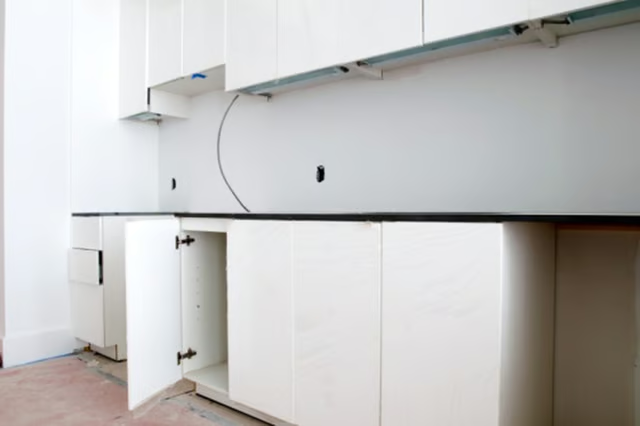
Remove the doors from every cabinet. Most cabinet doors have a European-style hinge that can easily be unscrewed with a screwdriver or drill. Set the doors aside.
-
Work with one cabinet at a time. If your cabinets aren't inside a frame that holds them together, they will be connected with screws hidden just behind the opening of the cabinet, usually behind where the door was. Unscrew the screws that connect the first two cabinets.
-
Remove the shelves from inside the cabinets if possible. Some shelves are simply resting on clips, while others may be firmly attached. You just want to ensure they aren't going to fall out while you're trying to take the shelf down.
-
Unscrew the screws inside the first cabinet that connect it to the wall. Check in all four corners and along the entire back wall of the cabinet so you get every screw. If possible, have someone help you hold the cabinet up while you unscrew it from the wall to prevent it from crashing down once it's been detached.
-
Repeat the steps for every cabinet, working one at a time.