


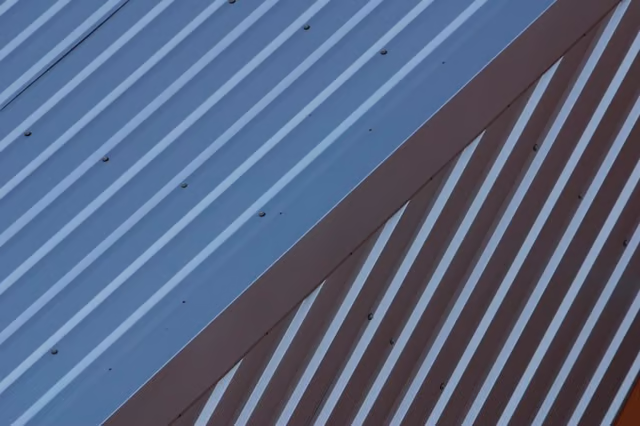
The minimum lifespan for galvalume metal is 20 years, and if installed properly can last beyond that.
Basics of Galvalume
Because galvalume is not technically a metal but rather a coating that is sprayed on top of sheet metal, it is nothing more than a protective layer. Think of it as a layer of paint that is applied on top of a piece of plastic. If you cut the plastic with a tool that causes too much vibration or friction, it will burn or flake the paint off the edges, exposing the material beneath to weathering rather than keeping it protected.
Hand Snips
So long as you aren’t working on a large-scale project, you can cut the galvalume metal sheeting with a pair of hand snips. Otherwise known as tin snips, they are hand-held devices that look like a pair of scissors, but with blades that are designed to cut through metal. However, they are only useful for small projects because of the physical strength required to continually cut through the metal sheets.
Mechanized Shears
The preferred method for cutting galvalume metal sheeting is with a pair of electric shears. They are exactly like a pair of tin snips but rather than being operated by hand they are either electric, battery-operated or pneumatic. Because they are automated, you can simply hold the tool in your hand, pull the trigger and let the blades of the shears do all the cutting for you.
Blades and Abrasive Cutters
The worst thing you can do when it comes to cutting galvalume is to use a cutting blade such as a circular saw or some type of abrasive cutter. This is because the friction from the blade will melt the coating on top of the sheet metal, plus it will cause the coating to flake off along the edge. Both of these side-effects ruin the galvalume coating because it exposes the underlying metal to rust and weathering.