


Find the Point of Entry
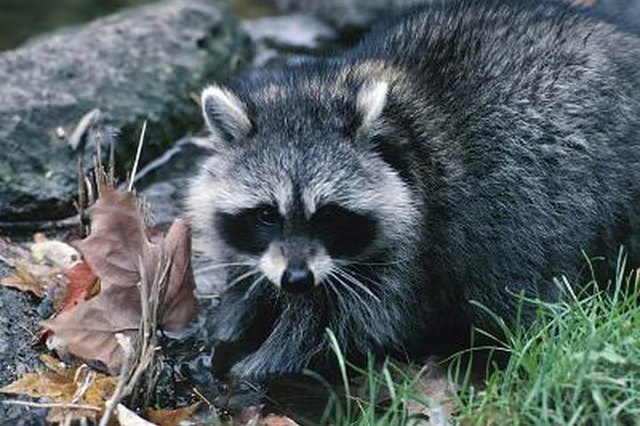
Walk around the outside of your house to see if you can find the raccoon's entry and exit hole. With any luck, the hole is visible. For now, don't seal it up. The raccoon might just leave on its own, and if you close off its method of escape, you'll trap it in your basement. You can attempt to frighten the raccoon with loud noises, but under no circumstances approach the animal. If a few loud bangs on a pan or two doesn't do the trick, give up on trying to scare it out.
Tempt It to Leave
If you discover the point of entry, and loud noises haven't worked, place some bait just outside your house where it entered. Raccoons are omnivorous scavengers, meaning they'll eat just about anything. Try fruits, nuts, berries, even white bread or marshmallows. Some coordination with a partner may be necessary. One of you can watch to see if the raccoon takes the bait and exits the house, while the other seals off the point of entry. Of course, always keep a safe distance away from the raccoon.
Trap It
Note that in most states, it's not legal for you to trap a raccoon. Your state also may have disposal regulations you need to follow if you trap it. Contact your local animal control service (humane society) to find out for sure. Regardless, it's probably best to work with a wildlife control expert in your area. You should understand the different forms of trapping so you know which service with which you want to work. Live cage traps are the most common form of trapping device You may see body-grip and paw-hold traps, but these result in the death of the raccoon, and are not used by most wildlife control companies. An adult raccoon is about 32 inches long and 12 inches tall and wide, so the cage trap used needs to be big enough to hold the raccoon. The wildlife control expert places bait in the trap, and when the raccoon wanders in for a snack, the trap gate closes behind it. Wildlife control services then handle disposal of the raccoon. If you don't want the animal killed, you should inquire as to how it will be disposed of before contracting with the service.
Check for a Litter
Even if you see just one raccoon, be aware you might have a litter of baby raccoons to find and deal with. The last thing you want to do is remove the mother, then leave the babies to die and decompose where they're hidden. If you see the raccoon in your basement, check your attic for a litter. Raccoons normally have their young in attics rather than basements, but the one in your house might have gained access to both your attic and basement. Be careful if you encounter a litter of raccoons. They'll likely be hungry and scared, ready to bite you to defend themselves. If you hire a wildlife control service, it should check your home for a litter as well as capture the raccoon.