-
Research plant material. Try to incorporate plants with special biblical meanings. Many useful online manuals provide biblical context and photographs to help you select appropriate foliage. Many of the plants may not be readily available or appropriate for where you live, so research the growing requirements of each plant before making any purchases.
-
Analyze the space where you plan to put your garden. Note existing vegetation, where the best views are and any unpleasant noises, smells or distractions. Jot down a rough sketch and key details of your current space, including basic dimensions.
-
Sketch a diagram of your prayer garden based on the information gained from your site analysis. Include the type and location for all the new features of your prayer garden in relation to the existing plants and features noted in your site analysis. Large plants may be used to block unpleasant views. Colorful specimen plants can draw attention to a particular garden element.
-
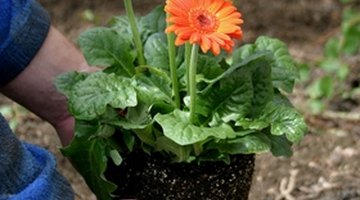
Plant your vegetation. Don't forget to take into account sunlight and spacing requirements of each plant.
-
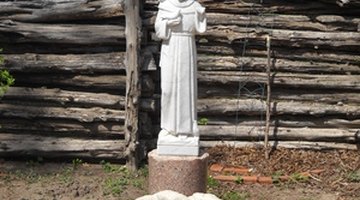
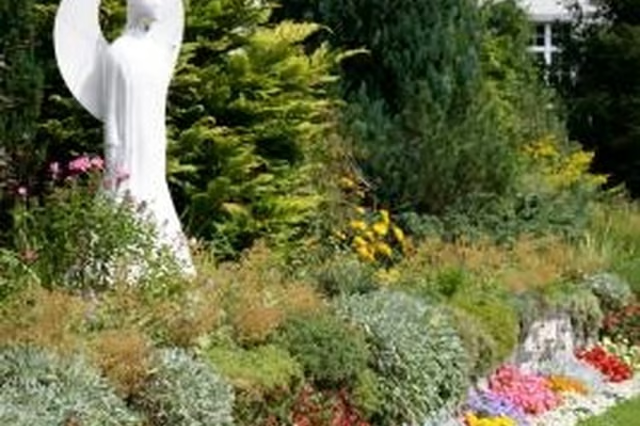
Place religious statues or biblical passages you would like to include in your garden. One of the more common statues featured in prayer gardens is Saint Francis. However, above all else, the statue should have personal significance to you, so include one that you like. Large statues can serve as a focal point, so place them in an area of your garden that you think deserves extra attention.
Biblical passages can be inscribed on just about any form of hardscape. The most readily available form is premanufactured rocks. Avoid placing these too low or behind vegetation -- position them where you can read them easily.
-
Add some comfortable seating to encourage use and enjoyment of your prayer garden. Place sitting areas under trees to provide shade. Orient the seating toward your garden's best views.