


Filters
Miner's moss is essentially a filter for gold. You can take the idea literally and substitute filters for moss. Furnace filters are easy to come by, though their thin fibers won't last as long as the thick fibers of miner's moss. Visit a pool or aquarium store to find buoyant, propene or plastic-based aquatic filters, which sport a texture very similar to miner's moss. Filters won't break the bank and you can cut them easily to fit your sluice.
Natural Fibers
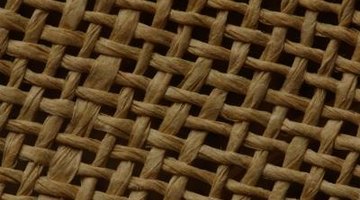
In the early days of sluice-based gold prospecting, miners used burlap sheets under their riffles. This natural fiber still catches fine gold pieces and can be easily had at fabric stores. Better yet, cut it from repurposed rice, potato or feed bags. While burlap serves as perhaps the most affordable and time-tested miner's moss alternative, coir – a natural and biodegradable weave made of coconut fibers – presents a modern, eco-friendly alternative. Check your local garden store for coir mats, often used in hyrdoponic gardening. Coir has a strong resistance to water and can be reused for up to four years.
Carpet
Miners sometimes refer to miner's moss as “carpet,” and the resemblance is certainly there. Scour department stores for door mats to find cheap alternatives to miner's moss. Look for carpets made of closely woven, noodle-like strands similar to miner's moss. Porous plastic and rubber mats often do the trick. Even synthetic grass mats will serve, though you may have to remove the carpet's backing before putting it in your sluice.
Industrial Products
Hardware stores and industrial suppliers often line their shelves with products similar in composition to miner's moss; though not made to filter gold, these products do the trick and help miner's save money. Search for industrial-sized mats of scouring pad, similar in composition to steel wool, at hardware or janitorial supply stores. Foam-rubber mats used to line toolboxes and synthetic woven roofing underlay can also get the job done when miner's moss isn't available.