


Preparing a Tile Job
The success of any tiling job depends on a number of factors, including installing the correct substrate, laying out the project correctly and using the correct material to bond the tile to the substrate. Among the bonding materials for tile are mastics (adhesives), cement slurries, epoxies and adhesive mortars typically made from a mixture of sand, a binder such as cement or lime, and water.
Type 1 Tile Adhesive
Type 1 Tile Adhesive is a material available from several manufacturers, usually packaged in pails or other waterproof containers. Type 1 mastic is used for walls and floors in wet or dry areas; Type 2 is usually used only for dry walls. Both types of mastic are recommended for ceramic, porcelain and mosaic tile. Some manufacturers of Type 1 mastics, including ChemBond and Mapei, specifically recommend against using Type 1 Tile Adhesive for green marbles, some black and certain red marbles.
Thin-Set and Epoxy
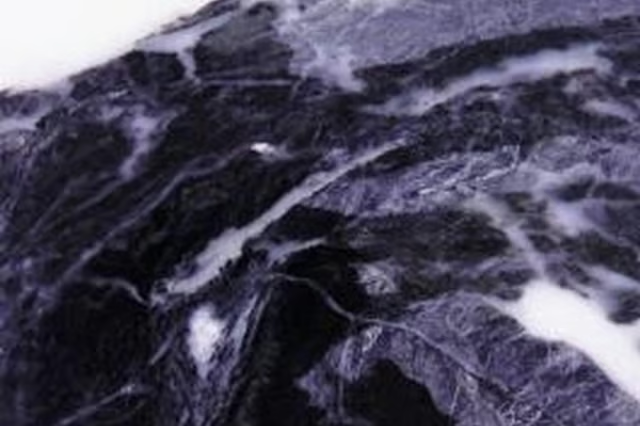
Marble tiles should be adhered to the substrate using thin-set or epoxy. Thin-set is a mixture of cement, sand and methylcellulose. Epoxies are also recommended for setting marble tiles. Thin-set and epoxies are not sensitive to water, an important point because marble tile is water sensitive and could absorb moisture. Water-resistant bonding agents help prevent marble tile from warping or becoming discolored. Dark-colored bonding agents can show through white or light-colored marble tiles. Special light-colored epoxies and mortar are available to solve this problem.
Caring for Marble Tile
Marble tiles are soft and porous compared with other natural stone and with ceramic or porcelain tile. To prevent stains, spills should be cleaned up immediately and showers and tub surrounds should be wiped down after every use. Clean the marble with a non-abrasive, non-acid cleaner approved for use on marble. Penetrating sealers labeled for use on marble can be helpful in preventing damage.