
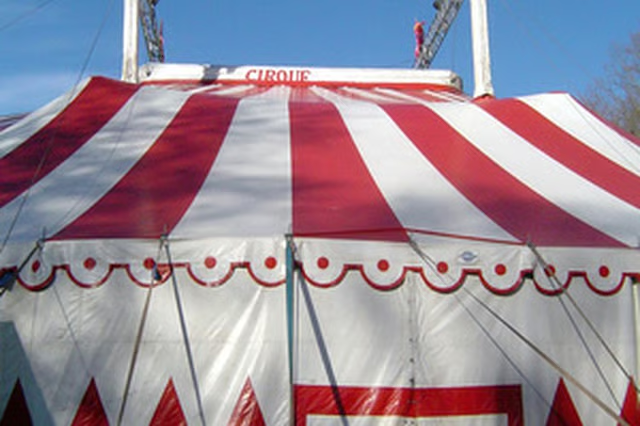


Membrane Building Size, Duration
Membrane structures like those built of cloth, vinyl or nonrigid plastics that are under 200 square feet and will stand for less than 180 days don't require any fire issues to be addressed, according to the IBC code. For those over 200 square feet, fire code regulations apply, and the building must pass inspection before it will receive a certificate of occupancy or use permit. Membrane structures that will be used for longer than 180 days must be compliant with IBC code, regardless of size. However, those buildings under 120 square feet must receive a temporary use permit that shows the location of structure, paths of ingress and egress and occupant load. Membrane structures over 120 square feet require a building permit and all code requirements applicable to permanent structures must be met.
Nonmembrane Temporary Structures
Structures built of wood, aluminum or other alloys, or rigid materials of any kind must meet IBC regulations the same as if it is a permanent structure. This applies to all buildings of a semipermanent nature, regardless of the length of time the building is intended to stand. Any structure over 120 square feet, regardless of the time period it will be standing, must receive a building permit before it is constructed and plans must be submitted to local code enforcement authorities. A building permit is not needed but a temporary use permit will be required. The plans must show points of ingress and egress and the structure's location.
IBC and Local Codes
While most municipalities follow IBC codes as the baseline for their building codes, temporary or permanent, each municipality is unique. The local government or county government in unincorporated areas may have adopted more stringent regulations depending on a number of factors from topography, location and zoning. A look at the codes applicable in Juneau, Alaska, would provide a good example of local codes that are more stringent than IBC standards because of climatic and other conditions. It is advisable to consult local authorities before planning construction of a temporary building of any kind.
Manufactured Trailers
Manufactured trailers, such as construction trailers, sales trailers, certain types of concession trailers and others designed with wheels with the intent of mobility, are not regulated by building codes. Again, however, local authorities may have laws concerning their placement, size and duration of placement and should be consulted.