
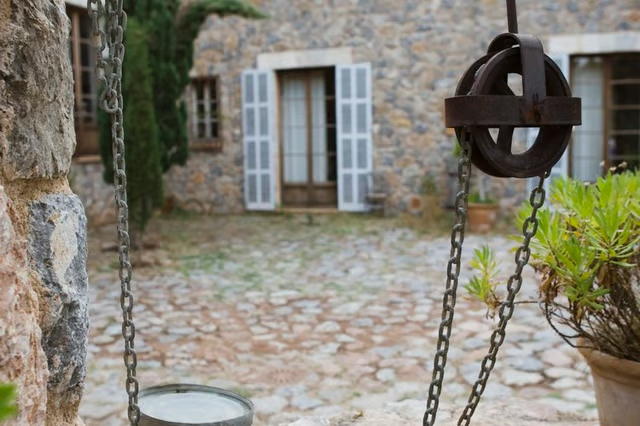


Private well owners are usually responsible for monitoring the quality of their own well water. Such monitoring requires that you check on a regular basis for the presence of bacteria and other potentially harmful substances, like chlorine.
If your well water smells like chlorine, there's a good chance the well has been contaminated. Even if your water has just a faint “whiff” of chlorine, advise all family members to stop drinking water from the well until the water is tested. Ingesting high levels of chlorine can be dangerous and potentially fatal. If excessive chlorine is found, the well will require flushing to remove the chlorine.
Chlorine and Chloride Naturally Occuring
The powerful oxidants chlorine and chloride occur naturally in groundwater and deep aquifers. Concentration levels as low as 250 mg per liter—the maximum the Environmental Protection Agency recommends for safe consumption—can cause water to have the distinct, sharp chlorine smell and taste.
Chlorine Use in Well Water
Chlorine is usually used to disinfect water of bacteria and other organisms. It can be added to municipal water supplies and leach through the groundwater into private wells. The chlorine may also be residual from a previous disinfection of the well by shock chlorination.
With shock chlorination, chlorine bleach is added to well water and then flushed. Shock chlorination is the most recommended and usually the safest way to treat infestations in wells or to prevent contamination after construction or maintenance around the well. However, wells and pipes must be thoroughly flushed after shock chlorination to rinse away excess chlorine.
Sodium and Chloride Cause Chlorine Smell
Sodium and chloride may also contaminate private wells and cause a chlorine-like odor or taste. Sodium and chloride enter wells through groundwater that has come into contact with road salt, sewage, fertilizers and some types of water softeners. High levels of sodium and chloride are corrosive to pipes and can cause damage. They can also cause intense intestinal discomfort in humans and animals and be fatal to plants and crops.
Test Your Well Water
Determine if your well water contains dangerous levels of chlorine, chloride and sodium. Professional water testers can come and perform tests on well water. You can also send samples of your water to labs or use home testing kits. If you do have excessive concentrations of chlorine, chloride or other chemicals, you must identify and fix the source of the contamination before completely flushing your well and plumbing.