
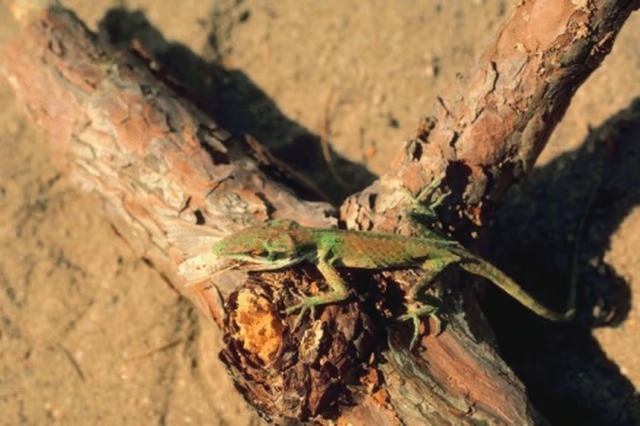


Though easiest to catch by grabbing them as they perch on trees at night, it is also possible to create small, simple traps for the lizards made out of tissue boxes.
-
Empty a tissue box of all tissues, taking care not to rip the plastic covering that allows one tissue at a time to dispense. If the covering is ripped, replace it by covering the top of the container with plastic wrap and cutting a small hole in the middle of it. The hole should not touch the cardboard, because while anoles can climb on cardboard, they can't grip the plastic wrap.
-
Place several small insects inside the tissue box. Crickets and gnats work well for this purpose. They will serve as bait for the tiny lizards. These insects may require replacement every couple of hours as they hop away or die. You may also place some dirt or other bedding in the box to make it appear potentially more natural to the lizard you are baiting.
-
Place the trap in a shady area outside where there is a known population of anoles. Do not allow the trap to receive direct sunlight lest you accidentally kill them from overheating. Generally, the base of a tree or underneath a shrub will work well, as these are places where anoles naturally congregate.
-
Check the trap every hour or so. The more often you check, the better chance you have of finding one before they are able to find a way to escape. If you find one, cover the hole in the plastic with your hand or with a piece of paper or plastic and immediately relocate to the desired area. Do not allow the lizard to spend long amounts of time in the box, as it will become stressed, which may cause health problems.