


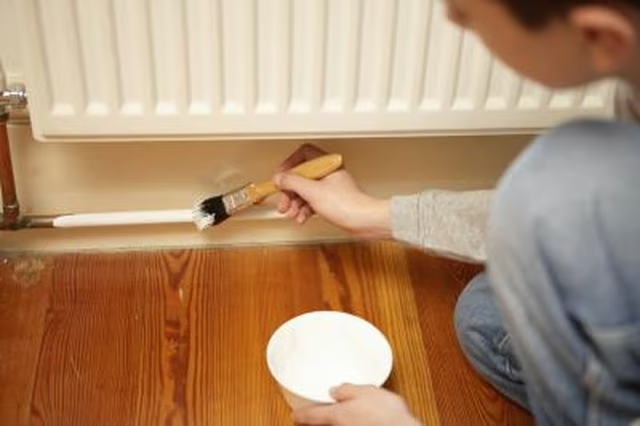
The failure of paint to properly cure and develop a hard surface can be problematic. Besides the fact that tacky paint collects dust, it can cause blocking, which happens when two painted surfaces adhere to each other, resulting in paint pulling off one of the surfaces when you separate them. There are temporary remedies for blocking, but if you want the paint to dry, you usually have to increase the temperature, reduce the ambient humidity, or both. Moreover, since curing is a chemical reaction that occurs with air, it doesn't hurt to increase air circulation.
Step 1
Increase the air circulation in the vicinity of the painted surface with a fan. Paint needs air to cure, and the more there is, the faster the curing process will happen.
Step 2
Run a heater in the room to increase the temperature. Even shining a bright light on the painted surface will have an effect. If the painted surface is outside and is movable, move it into a sunny spot.
Step 3
Run a dehumidifier in the room to reduce humidity if increasing the air circulation and temperature have no effect. If the paint is on an exterior surface, and the weather has been humid, be patient. It may cure when the humidity goes down.
Step 4
Prevent blocking by spreading talc over painted surfaces that get pressed together, such as the edge of a door and the jamb. Spread liquid or paste wax with a rag as an alternative. These materials will prevent sticking, but they won't make the paint cure more quickly. You may have to apply them more than once.
Step 5
Sand a tacky surface with 150-grit sandpaper to dull the gloss, then apply a coat of primer and repaint it. Do this if the paint remains tacky for two or three weeks, despite increasing air circulation and temperature and reducing humidity. Also consider stripping the paint and cleaning the surface underneath. It may have a layer of wax or oil that is emulsifying the paint.