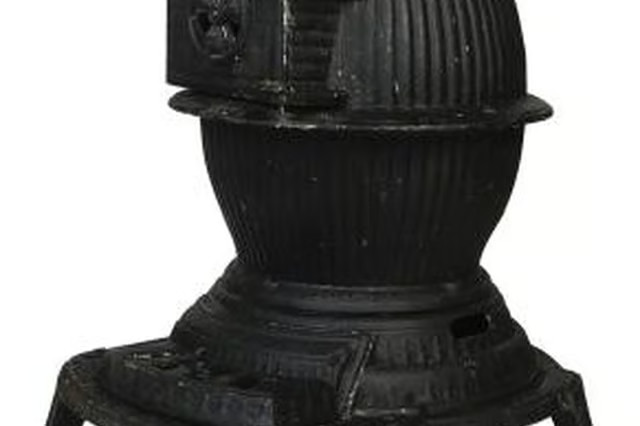
Pot Belly Stove Installation

Pot Belly Stove Installation
Written By
Carly Fiske
Carly Fiske
Published: Nov 14, 2011
Updated: Nov 20, 2021
1 minute read

Step 1

Select a location for the stove that has tile, stone, metal or brick flooring and its own chimney. It should be clear of combustible objects, such as fabric materials, at least 36 inches around. There should be 18 inches of space from noncombustible surfaces. Alternatively, installing a heat shield increases the required distance between your stove and other objects.

Step 2

Install the connector pipe according to manufacturer's instructions. Fit the stovepipe over the flue collar behind the stove with the crimped end away from the stove. Connect it with metal screws. Apply stove cement with a putty knife. Horizontal piping should have 18 inches clearance from the ceiling. Avoid creating bends in the stovepipe greater than 90 degrees.

Step 3

Assemble the stovepipe to the chimney according to manufacturer instructions. Connect the pipe to the flue with the thimble, making sure the thimble does not protrude into the chimney. Secure the stovepipe with stove cement, using a putty knife. Allow at least 1/2 inch of space between the stovepipe and thimble for the pipe to expand. It is recommended that you obtain professional inspection of your chimney assembly before operating the stove.

Advertisement

Step 4

Complete the installation by adding any remaining parts according to manufacturer instructions.

Tips

Hire an expert for advice if any serious questions arise during the installation of the chimney.

The stove vent can be installed through the roof, upward and out with an elbow joint, or directly outdoors to the side. Avoid installing with too many bends, which results in poor stove performance.

Warnings

Do not connect the stove to a chimney that has another appliance running on it.

Do not install potbelly stoves in a mobile home, tent or trailer.

Improper chimney connections and installation is a serious matter. If incorrectly installed, the entrance of carbon monoxide, ash and burning bits into the walls or other parts of the home could be deadly.

The paints on your stove may begin curing when it is first in use. The odor and smoke from these fires might bother some individuals including those with lung conditions.

Photo Credits

Hemera Technologies/PhotoObjects.net/Getty Images

Carly Fiske

Carly Fiske has been writing professionally since 2009. She writes for websites including greenanswers.com, openoffer.com and thirdage.com. Fiske holds a Bachelor of Arts in cultural anthropology from the University of Redlands.

Sponsored
HomeSteady Logo

HomeSteady is the ultimate guide for all your household needs, from cleaning and HVAC to electrical, DIY and maintenance.

Property of TechnologyAdvice. © 2026 TechnologyAdvice. All Rights Reserved

Advertiser Disclosure: Some of the products that appear on this site are from companies from which TechnologyAdvice receives compensation. This compensation may impact how and where products appear on this site including, for example, the order in which they appear. TechnologyAdvice does not include all companies or all types of products available in the marketplace.