

How to Cover Particle Board Furniture

Particle board furniture is made of a compressed wood product that is covered over with a laminate. This method of manufacturing furniture is inexpensive and, as such, these pieces are usually much less costly than whole wood products. The only problem is, they tend to look cheap as well.
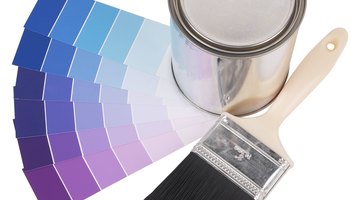
Things You Will Need
- Dropcloths or cardboard sheets
- Sandpaper
- Oil based primer
- Oil based paint
- Small paint roller
- Paint brush
- Polyurethane
You can cover over particle board furniture, but you'll have to make sure you do this project right the first time, or that faux wood grain will come right back to haunt you.
-
Move the furniture to a work area. If you have a garage, a workshop or a place outside where you can paint, move the furniture there. If not, place dropcloths or cardboard sheets underneath the piece.
-
Sand down the laminate top. Particle board furniture has a shiny top covering -- this is laminate. If you do not rough this surface up, your primer and paint will not adhere properly. Go over the piece with a medium grade of sandpaper first, and then follow this with a fine grade of sandpaper.
-
Prime the piece using oil-based primer. Apply a thin coat of primer using a small roller. Use a small brush to get into tight spots, but try to roll the finish out so that it is even. Let the primer dry for four to six hours.
-
Paint the piece. Apply one coat of oil-based paint in the color of your choice over the primer. Once again, use a small roller to get an even finish on the piece. Let the first coat dry.
-
Sand over your work lightly with a fine grade of sandpaper.
-
Apply the second coat of paint. This second coat will help give you a better level of coverage. Let the second coat dry.
-
Protect the piece with a poly coat. Sand the piece lightly with fine sandpaper. Paint over the entire piece of furniture with a clear polyurethane. This is essential for furniture that gets a lot of use, such as a table. Use a brush and apply a thin coating. Let this dry for up to eight hours before moving the piece back inside or using it.
Warning
Remember to open the windows in the room before using paint or primer to help with ventilation.
References
Warnings
- Remember to open the windows in the room before using paint or primer to help with ventilation.
Writer Bio
Kate McFarlin is a licensed insurance agent with extensive experience in covering topics related to marketing, small business, personal finance and home improvement. She began her career as a Web designer and also specializes in audio/video mixing and design.
Photo Credits
- Hemera Technologies/PhotoObjects.net/Getty Images
- Hemera Technologies/PhotoObjects.net/Getty Images
More Articles

