


The Theory Behind the Belief
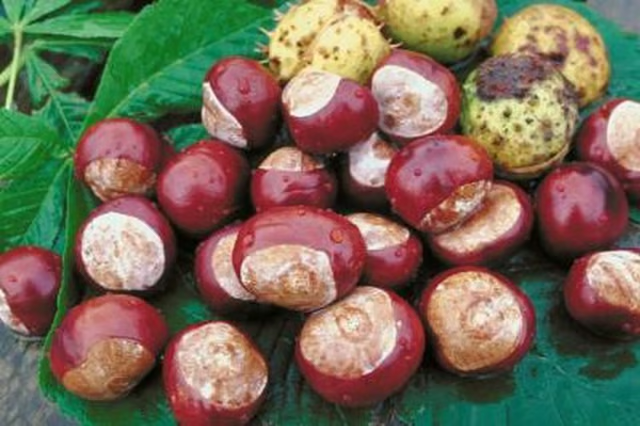
The skin of the conker contains the bitter-tasting chemical compound saponin, which is a natural insect repellent. Many commercially produced natural insect repellents contain extracts of plants with high saponin levels, including horse chestnut extract. Supporters of the theory believe that spiders may be able to detect the smell of the saponin, which causes them distress or discourages them from laying their eggs in the vicinity.
Other Natural Spider Repellent Substances
Another natural product believed to have spider repelling properties is the fruit of the osage-orange tree (Maclura pomifer), also called the hedge apple. Once again, there is no scientific evidence to support this belief, and the sap of the tree may also cause dermatitis in sensitive people, making it a poor choice of insect repellent. Makers of lemon and lemongrass essential oil products claim theyrepel all insects including spiders, but may damage polished furniture if sprayed indoors.
Chemical Methods of Spider Control
Many commercial sprays are available to eliminate spiders. Some of these contain horse chestnut extract, although there is no evidence to suggest that these sprays are any more effective. Apart from the obvious disadvantage of spraying chemicals inside your home, the problem with these sprays is that they are nonspecific. They will kill not only any form of spider but also any other insect life in the vicinity, including beneficial spiders that would otherwise have helped to control the insect population.
Non-Chemical Methods of Spider Control
If you are unwilling to use chemical sprays to clear spiders, you can control your environment to make it less attractive to insects in general. Spiders like dark quiet areas, so clean regularly on top of shelves and cupboards and remove any clutter. Move woodpiles and spare building materials away from the side of the house and clip back any creepers that touch walls. Fit insect-proof screens around doors and windows to discourage the insects that are the spiders' main source of food and remove any webs, as this often destroys egg sacs.