


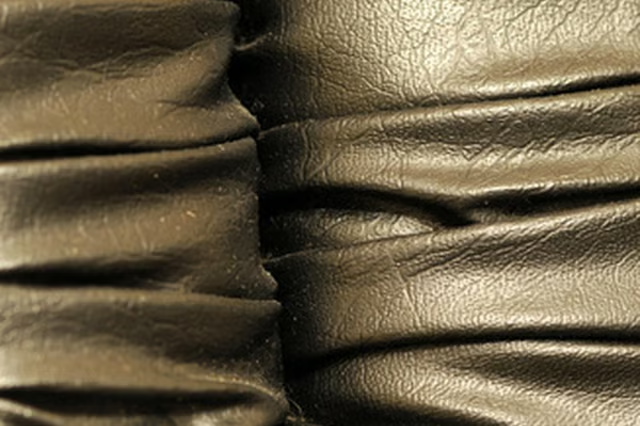
Leather of any type that has not been treated with preventative measures, such as through the application of leather conditioner, will begin to dry rot. After you can identify dry rotting leather, you may be able to stop the further progression of the rotting.
-
Observe the color of the leather. Leather that has begun dry rotting looks lighter and grayer in color. Dampen a small section of the leather with water. If the dampened area appears darker than the dry areas, the item may be suffering from dry rot.
-
Observe the texture of the leather. If you can easily identify any cracks, tears or breaks in the leather, it may be dry rotting. Leather begins to shrink as it dry rots, pulling the fibers of the leather apart. After these fibers are broken, they cannot be repaired.
-
Feel the leather's surface. If it feels hard or brittle to the touch, it may have begun dry rotting. Observe any powdery substance that may have been deposited onto your fingers. If you can see any powder after touching the leather, the item is likely very dry rotted.
The Drip Cap
- Despite its durability, leather must be properly cared for to avoid dry rotting.
- The evaporation of oil causes the leather become weak and possibly crack or break as a result.
- Observe the texture of the leather.
- If you can see any powder after touching the leather, the item is likely very dry rotted.