
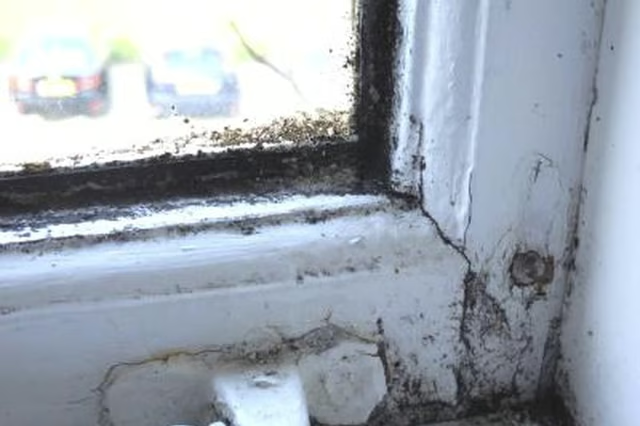


Mold, Rot and Stains
The microorganisms that grow as mold are similar to the ones that cause wood rot, and both can blacken wood. When cleaning mold, you typically wash it off with detergent or a solution of bleach and water. But if the wood has rotted, you need to chip out the rot with a chisel, or the wood will continue to deteriorate. When you clean blackened mold from bare wood, you may find it impossible to get all the black color out. That could be because the wood is water-stained, which requires a different treatment than either mold or rot.
Detergent or Bleach
The U.S. Environmental Protection Agency recommends cleaning mold with plain water or a detergent/water solution, while the Centers for Disease Control and Prevention advise using a 10 percent bleach solution. Bleach isn't always effective because, although it kills surface mold, its high surface tension prevents it from soaking into the wood and killing the microbial roots. You can increase the effectiveness of bleach by mixing it in a solution with dish detergent, which acts as a surfactant and allows the bleach to penetrate more deeply. An appropriate solution would be 1 cup of bleach and 1 ounce of dish detergent in a gallon of water. Avoid cleaners containing ammonia, which combines with bleach to create toxic fumes.
Get the Black Out
To remove mold from painted or unpainted trim, scrub it with your cleaning solution. Use an abrasive cloth or kitchen scrubber that can physically remove the discoloration. Rinse the cloth or sponge often in the cleaning solution, and change the solution when it turns dark brown or black. Scrub mold from corners, inside carvings and molded features using a toothbrush. If blackening remains on unfinished wood after this treatment, it's probably due to water staining. Treat water stains with wood bleach that contains oxalic acid, then neutralize the bleach with a solution containing 1 tablespoon of baking soda per quart of water and wipe with clean water.
Prevent a Comeback
The most important thing you can do to prevent mold from returning is to remove the moisture that feeds it. This may involve lowering the room humidity by ventilating the area or running a dehumidifier. You should also repair cracks around windows and doors that allow moist air to enter. Sealing unfinished wood with paint or clear finish is a good strategy, because it locks out moisture that feeds the spores still present in the wood. When cleaning mold, it's essential to protect yourself by wearing rubber gloves and a respirator. Keep in mind that moldy trim usually means that mold is also growing on the walls and elsewhere, such as in the carpet. If you have an extensive infestation, consider calling a mold cleanup professional.