


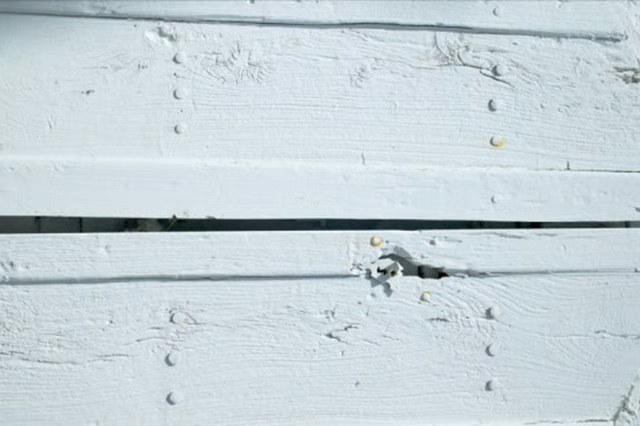
The homeowner must complete the process carefully to avoid damaging the wood.
Things You Will Need
-
Take safety precautions before the work begins. For instance, open the windows to ventilate the room or work outside if possible. Place the furniture at a comfortable height, place newspapers around your work area to catch any spills and protect yourself with goggles and gloves.
-
Apply a paint stripper to the wood surface. Paint strippers are available in liquid, paste or gel form, and each requires a different application method. For instance, liquid paint strippers can be brushed or sprayed onto the surface while paste and gel strippers can be rubbed on. A paint stripper in paste or gel form is best for vertical wood surfaces. Follow the manufacturer's directions for best results.
-
Test the surface at the manufacturer’s suggested removal time. Use the edge of a scraper to scrape a small area of the wood. The wood should be visible if the paint stripper has loosened the paint. If not, wait about 10 minutes.
-
Follow the manufacturer’s directions to remove the paint stripper. You may be directed to wipe the substance off with a cotton cloth, scrape it off with a wood scraper or wash it off. If you prefer the wash-off method, complete the process quickly and carefully to avoid damaging the wood.
-
Examine the wood surface to ensure there are no specks of the white paint left. If there are any, use a scouring pad, steel wool or sandpaper to remove them. Repeat the process from Step 1 if there are spots that are difficult to remove.
The Drip Cap
- Whitewashing is an inexpensive method of giving wood items a new look.
- For instance, open the windows to ventilate the room or work outside if possible.
- Follow the manufacturer's directions for best results.
- Follow the manufacturer’s directions to remove the paint stripper.
- If you prefer the wash-off method, complete the process quickly and carefully to avoid damaging the wood.