

-
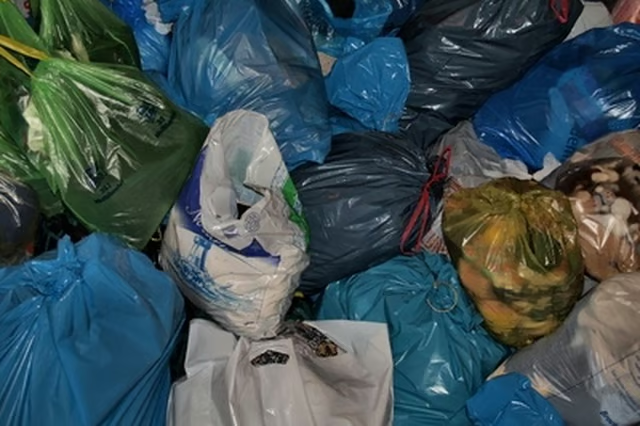
Collect the plastic bags. Select the plastic bags from all the grocery stores you visit to compare strength. Also try out a number of plastic trash bags, preferably the ones you have either used in the past or plan on testing to see which are best to use.
-
Collect items to test. Use items that are commonly placed in the bags, groceries, trash, food and clothes. You should also use rocks and sand to test the bags. This will add extra weight.
-
Begin testing on your bags. Start off by using small amounts of the items you selected. Keep adding items to the bags until they can no longer hold the anything else. Look at the stretching of the bag itself and the handles used to carry the bags.
-
Record your findings. It is wise to record the information you found on each bag. This can cut down on the confusion of which bag was the most durable.
-
Decide which bag is good for you and what you need to accomplish. It is hard to change the type of bags used in grocery stores since most stores will use the same type. During you test, if you find some bags that are less durable, you should find other ways to carry your items without having them fall over the place. Either opt to using paper bags or double bagging paper bags inside of the plastic bags just for the use of the handles. You can also use a recyclable bag for your groceries and other items. As far as plastic trash bags, it is always advisable to find one that is the most durable since the trash may contain hazardous waste.
Articles
View All Hover to load posts
Articles
View All Hover to load posts
Articles
View All Hover to load posts
Articles
View All Hover to load posts
Articles
View All Hover to load posts
Articles
View All Hover to load posts
Articles
View All Hover to load posts
Articles
View All Hover to load posts
Articles
View All Hover to load posts
