


Step 1
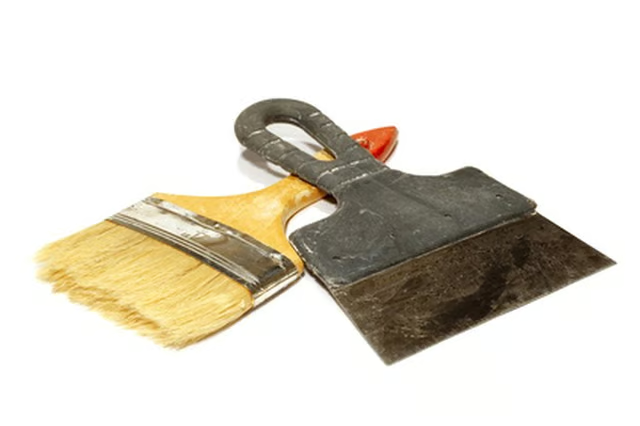
Remove all existing peeling and cracked paint from the basement wall. For wood walls, paint can be removed using a wire brush and sandpaper for tighter spaces. Concrete wall paint can be removed with a sand blaster or disc grinder. Make sure to wear protective clothing, gloves, safety goggles, and respirator when operating a sand blaster.
Step 2
Apply a mildew removing solution on the wall to remove any present mildew. It is important not to paint over mildew as the moisture associated with mildew will cause the paint to bubble, and when on wood the mildew will cause rotting and deterioration.
Step 3
Patch any cracks, dents and holes in the concrete with a hydraulic cement. This generally is sold in a powder form. You simply need to add the recommended amount of water, mix and apply to the wall. Hydraulic cement sets very fast. Make sure to thoroughly read instructions. Mix small amounts of the hydraulic cement at a time and have a clear plan of action before mixing the cement to minimize waste and time. Use sandpaper to sand excess cement so that the patches and filled spaces are even with the wall.
Step 4
Sweep the wall and floor to remove all dust and debris. Use dust pan to remove dust and debris from the room. Mop the room with water to effectively clean dust and dirt from walls.
Step 5
Place a space heater in the room, if necessary, to ensure the walls and room dry completely. Once the room is thoroughly dried, the basement walls are prepared for painting.