


Weighing in
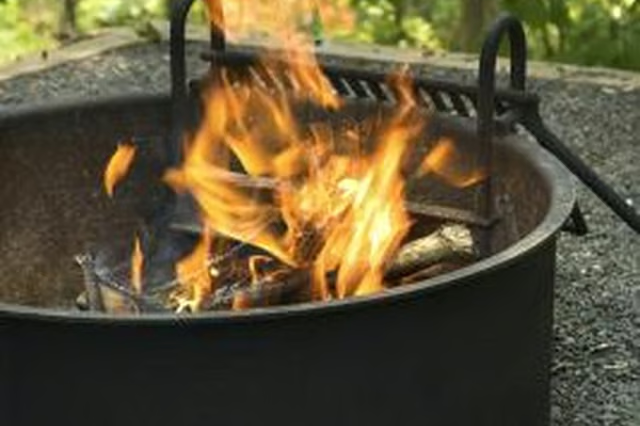
A determining factor in choosing between an iron or stainless steel fire pit is its permanence. If you've ever cooked a rasher of bacon in a cast iron pan, you know how heavy it is. So, if you think you might ever want to move your pit from one place to another, you won't want cast iron. Stainless steel is much lighter than cast iron, so you can change your mind about the location of your fire pit.
Heating up
If gathering around the fire pit on a cool autumn evening is one of your desires, choose either cast iron or stainless steel. Their heat conductivity is about the same except the stainless steel will keep the heat longer after the fire dies. In either case, don't touch the metal of the fire pit, and use asbestos heavy-duty gloves or mitts when tending the fire.
Durability
While cast iron is very durable, it is also vulnerable to cracking and rusting. You need to keep up with the oxidization by cleaning the surface with steel wool and painting it with a high-temperature paint that is formulated for this purpose. Stainless steel is rust resistant and does not crack. When it has cooled down and is not in use, cover your pit to avoid accumulation of water.
Keeping a Safe Fire Pit
Before purchasing a fire pit, choose your site carefully. Ensure there are no overhanging branches or anything combustible near the site, and situate the pit on a stone or brick surface. If you place it on a wooden deck, lay heat-resistant material in a wide area underneath the pit. Purchase a screen cover to keep ashes and sparks from becoming a nuisance, and plan to have enough room for comfort between the fire pit and your guests for an evening of warmth and camaraderie.