


Cedar
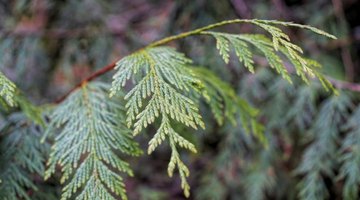
Cedar is one of the top choices when it comes to exterior trim and fascia. Cedar is insect-, rot-, decay- and weather-resistant. It's an all-purpose wood that's easy to cut and nail. The rugged texture of rough-sawn cedar adds earthy charm to any exterior. Clear cedar is more expensive. It's been hand-selected and -milled to reflect a finished look. Use paint or exterior sealant to protect cedar. Oil-based stain can bring out the beauty of clear cedar while protecting it.
Pine

Use pine for economy. Pine is soft, light and inexpensive. It's easy to cut, nail and work with. Generally categorized as a paint-grade material, it can be stained and sealed with a clear coat of exterior-grade finish. Pine is not as strong as other exterior trim materials and, if not properly sealed, can warp, split or crack. One type of pine, FJP, or finger-jointed-primed, is manufactured exclusively for exterior use. It's more expensive, but requires less maintenance.
Fir

Fir is categorized as a softwood, but it can rival some hardwoods. Fir has tight, close grain patterns with an inherent strength and resiliency. Fir is one of the most widely used of all the exterior trim woods. It's cheaper than cedar and more expensive than pine. Fir is an all-purpose wood that's perfect for trimming windows, doors and around the perimeter of the roof as a fascia board.
Redwood

Redwood is an excellent choice for exterior trim. More expensive than fir, it's naturally resistant to weather, insect, decay and rot. Redwood is straight-grained and strong. It's resistant to splitting, cracking and warping. The California Redwood Association recommends not using sealant, paint or stain on redwood, making it one of the most maintenance-free materials. Its a bit more expensive, but could save you money in the long run.
White Oak

Some carpenters prefer white oak for trim work. Many older homes built around the turn of the century are still adorned with white oak trim. It's expensive, and its inherent density and weight make it difficult to work with. It's prone to cracking, splitting and warping if not treated on both sides. It's the king for tradition, presiding over restoration projects and older Victorian homes that can benefit from the formality of white oak trim.
Engineered Wood
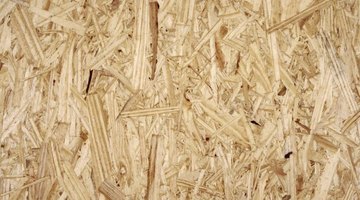
Engineered wood is a solid-wood alternative. Made from different formulas of wood byproducts and glue, engineered wood offers weather-resistance at a lower cost than redwood or cedar. With almost perfect dimensions, durability and user friendliness, engineered wood is a viable option to solid wood products.
The Bottom Line
All trim woods have their own specific advantages: If you're after aesthetics, the natural beauty of redwood or cedar has what you're looking for. Redwood and cedar, along with being good-looking, also qualify for the low-maintenance prize, along with finger-jointed pine and the composites. To save money, nothing beats pine for economy -- but spend just a little more for fir, and you've got strength on your side, too.