

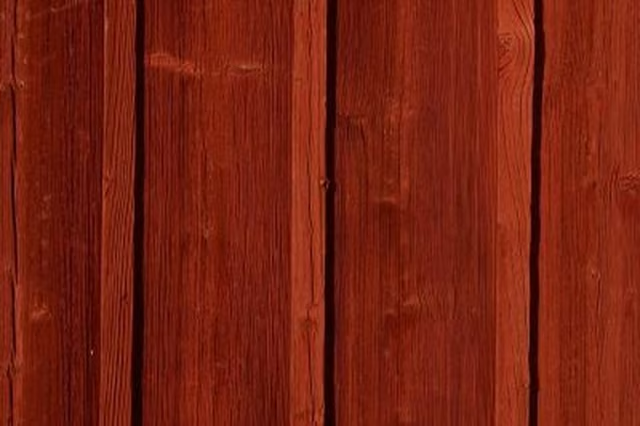
A final coat of western red, a popular color of cedar, can then be applied to match the two.
Things You Will Need
-
Before any stain applications are made to the pine, the wood must be sanded using a gentle and low resistant quality sandpaper. Bumps and uneven surfaces will be flattened, allowing for an even application of stain liquid.
-
Pine is a soft wood, typically having a smooth surface. To ensure durability of the wood, apply conditioner. This can be purchased in your local hardware store and most brands will suffice. After the wood is conditioned, use a damp cloth to gently dab on a generous coat of pine stain. Other alternatives include using boiled linseed oil or walnut oil stain to color the wood.
-
Once the pine is completely dry, clean the wood of any loose particles or dirt. Fill all holes with a filler to avoid globs or clumps after painting. Let the wood dry completely and re-sand to make sure the staining and conditioning did not result in an uneven texture. Apply a solid coat of cedar-color paint to the wood and wait several hours until it is completely dry. Then apply one additional coat of cedar paint to ensure a solid western-red color.
The Drip Cap
- Whether staining pine to match oak, cedar or bamboo, many of the same initial steps must be followed.
- To protect against this, several steps must be taken.
- Before any stain applications are made to the pine, the wood must be sanded using a gentle and low resistant quality sandpaper.
- Bumps and uneven surfaces will be flattened, allowing for an even application of stain liquid.