


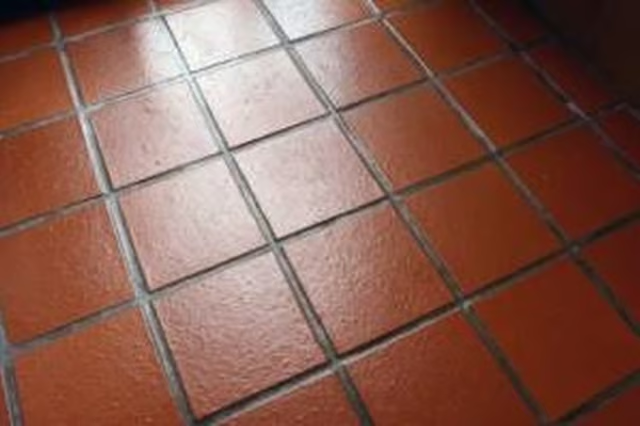
This tile has been a favorite in commercial applications such as kitchens, bathrooms and rooms subject to heavy traffic or interior/exterior use. The main features of this tile are its low cost and durability. Like any flooring material, it can get dirty, especially in high-traffic areas. Luckily, cleaning it is not difficult.
Things You Will Need
-
Clean your quarry tile thoroughly with a canister vacuum cleaner. Do not use a vacuum with a beater bar as this may drag grit across the tiles, causing scratches to the sealer or wax.
-
Mop your floor with a cleanser. Consider using an enzyme-based, antibacterial cleanser such as EnziBrite or AquaMix, particularly if your quarry tile is in the kitchen as these types of cleansers cut grease and eliminate odors.
-
Rinse your mopped floor to remove cleanser residue. It is often a good idea to use soft or distilled water if your tap water has high mineral content since you don't want to leave deposits on your tiles.
-
Wipe your floor dry with towels. This is a useful step to determine if your tile has haze or if it is becoming discolored. (Wax can become yellowed as it ages.)
-
If your tile floor looks like it has a film on it, add white vinegar to clear water and re-mop your floor. This should remove any haze. Dry the tile again.
The Drip Cap
- Quarry tile is an unglazed terra cotta tile made of natural clay, giving it a somewhat rustic appearance.
- Clean your quarry tile thoroughly with a canister vacuum cleaner.
- Consider using an enzyme-based, antibacterial cleanser such as EnziBrite or AquaMix, particularly if your quarry tile is in the kitchen as these types of cleansers cut grease and eliminate odors.
- It is often a good idea to use soft or distilled water if your tap water has high mineral content since you don't want to leave deposits on your tiles.