Things You Will Need
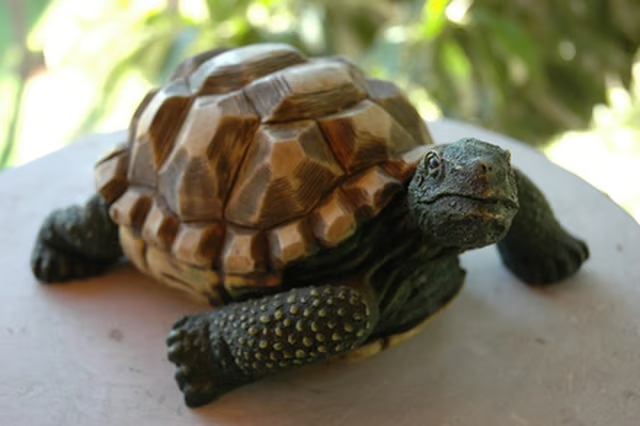
Stain a turtle to create natural appeal, then seal with a wax sealant. Use these step-by-step guidelines for the best results and have fun.
Stain A Turtle
-
Prepare a flat surface area with plastic. Set the cement turtle, gloves, two rags, two cans of stain, stain wax sealant and three stain brushes on the prepared table. Put on the latex gloves and use a rag to clean off the cement turtle of any sand, dirt or debris. Use a dry ½-inch brush to get inside crevices to remove any powdered cement or stone. Rinse out the brush with soap and water after use.
-
Paint the turtle, not the shell, with the pine green stain, using the 1-inch brush. Use a rag to rub away some of the stain from protruding parts of the turtle. Rub the areas that should be lighter in color than the rest of the turtle.
-
Spread the light walnut stain on the turtle's shell with a 1-inch brush. Use a clean rag to rub the areas that need to be lighter for contrast. Allow to dry. Use the last stain brush to seal the stain with stain wax sealant. Allow the turtle to dry, then add one more coat of stain wax sealant.
Paint a Gnome in Outdoor Latex Paint
-
Cover a flat surface area with plastic. Set the cement gnome, gloves, two rags, four cans of outdoor latex paint, can of masonry primer and three paintbrushes on the prepared table. Put on the latex gloves and use a rag to clean off the cement gnome of any sand, dirt or debris. Use a dry ½-inch brush to get inside crevices to remove any powdered cement or stone. Rinse out the brush with soap and water after use.
-
Paint the gnome with masonry primer, using the 1-inch brush. Allow to dry. Wash out the brush in soap and water.
-
Paint the pants and shoes black, using the ½-inch brush. Wash the brush. Paint the shirt with a ½-inch brush in green paint. Apply red paint to the gnome's hat and leave the white pom pom on the end. Mix white with a bit of red and black to create a flesh-tone for the gnome. Apply the face color to the hands and face, then allow the gnome to dry.