


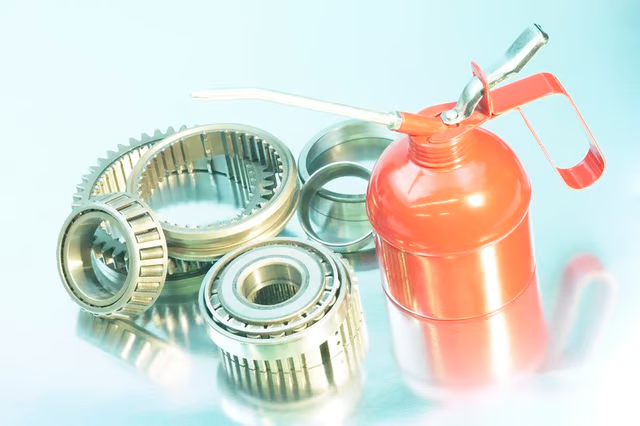
After the oil can is clean and grime free, you can touch up the finish with enamel paint.
Things You Will Need
Cleaning The Outside of the Antique Oil Can
-
Wipe the antique oil can with a dry cotton cloth or shop towel to remove any loose dust or dirt.
-
Mix in a bucket 2 cups of a water-soluble concentrated detergent and ½ gal. of warm water. Stir the soap mixture with a scrub brush.
-
Dip a cotton cloth or shop towel into the soap mixture. Wring out excess mixture.
-
Scrub the oil can with the mixture-soaked cloth or shop towel. For stubborn stains, use the scrub brush to break up the grime from the antique oil can.
-
Wet a cotton cloth or shop towel with warm water from a sink.
-
Rinse the antique oil can with the damp cloth or shop towel. Continue rinsing the oil can until the soap mixture is gone.
-
Dry the antique oil can with a clean cotton cloth or shop towel.
-
Touch up the antique oil can's paint by applying enamel paint to the can with a paintbrush.
Cleaning The Inside of the Antique Oil Can
-
Use a funnel to fill the inside of the antique oil can with the soap mixture made in Section I.
-
Let the soap mixture sit in the oil can for 30 minutes.
-
Shake the antique oil can from side-to-side to break up any caked-on oil and grime inside of the oil can.
-
Pour the soap mixture from the antique oil can.
-
Rinse the inside with warm water from a sink. Pour out the water and continue rinsing and pouring until the water runs clear from the antique oil can.
-
Sit the oil can outside in the sun and let it air dry.
The Drip Cap
- Antique cans were popular in the days of full service gas stations.
- Wipe the antique oil can with a dry cotton cloth or shop towel to remove any loose dust or dirt.
- Mix in a bucket 2 cups of a water-soluble concentrated detergent and ½ gal.
- Wet a cotton cloth or shop towel with warm water from a sink.
- Use a funnel to fill the inside of the antique oil can with the soap mixture made in Section I.
- Let the soap mixture sit in the oil can for 30 minutes.