


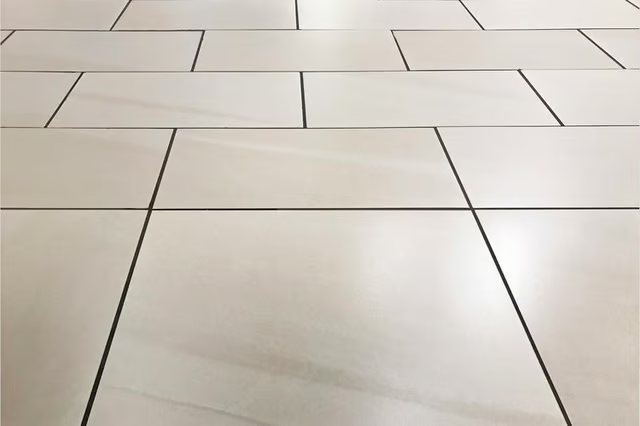
Can you install new tile on top of old tile? That depends on the current tile condition, but in most cases, you can. Covering existing bathroom, entryway or kitchen tiles with new tiles gives the space a fresh look and significantly cuts down on your installation time.
Evaluating the Current Floor
Is your existing tile still in good shape? Is it level without any major blemishes? Your new tile needs a solid foundation for proper installation. That means all existing tiles need to be secure without major breakage or chips. Look for any loose or wobbly tiles that need to be removed or repaired. If you hear a hollow sound when you tap a tile lightly with a wood mallet, that means it's loose. You can also lay a level across the floor in different areas to make sure the tiles are even. Mark any areas that are higher or lower than surrounding tiles.
You also need to think about the new height of the floor once you install new tile. That can affect thresholds, doors and cabinetry. Make sure your room can accommodate the higher floor height, and be aware of any additional work you'll need to do, such as cutting down your door or getting a new transitional piece for the threshold.
Fixing the Existing Tiles
If you noticed any issues with the current tile flooring, backsplash or fireplace tiles, you want to fix them before you start the installation process. If you have any loose or broken tiles, you can chip those affected pieces out and use thinset to fill in the space to create a level foundation. For areas that are slightly higher than the rest of the floor, you can use a grinder with a masonry wheel on it to grind down the surface.
Prepping the Floor
Your existing floor needs a thorough cleaning before you can install the new tiles on it. Sweep up any dirt and scrub the tiles to remove grease or other debris. This allows for a better bond between the new and old tiles. It's also a good idea to go over the existing tile with a belt or orbital sander outfitted with 80-grit sandpaper to scuff up the surfaces. The scrapes you create in the old tile glaze make it easier for the thinset to stick. Wash away the dust created by sanding, and let the floor dry fully before proceeding. You may also need to cut door jambs to accommodate the new tile and remove the baseboards before you start the installation process.
Tiling Over Floor Tiles
The basic tiling process is the same as any tile installation. Using a modified mortar with latex or polymer additives creates a stronger bond between the existing tile floor and your new tiles. Working in small sections, spread the thinset over the existing tile using a notched trowel. Position your tiles according to the layout you choose. As you're installing your tiles, use a level to make sure the new floor remains even. You can add extra thinset under your new tiles if needed to ensure they're level.
After waiting at least 24 hours, you can grout the tile. Mix the grout according to the package instructions, and use a rubber grout float to spread the grout onto the tile joints, forcing the grout into the cracks to fill them. Wipe away the excess grout before it sets. Then, clean the tiles with a damp sponge to remove the haze left behind by the grout.
Tiling over floor tiles that are already installed can save you a lot of time on your remodeling project. As long as your new tiles have a solid foundation, you can use this technique for a faster refresh.
The Drip Cap
- Can you install new tile on top of old tile? Look for any loose or wobbly tiles that need to be removed or repaired.
- If you noticed any issues with the current tile flooring, backsplash or fireplace tiles, you want to fix them before you start the installation process.
- This allows for a better bond between the new and old tiles.
- The basic tiling process is the same as any tile installation.
- Position your tiles according to the layout you choose.
- As you're installing your tiles, use a level to make sure the new floor remains even.
- Then, clean the tiles with a damp sponge to remove the haze left behind by the grout.