


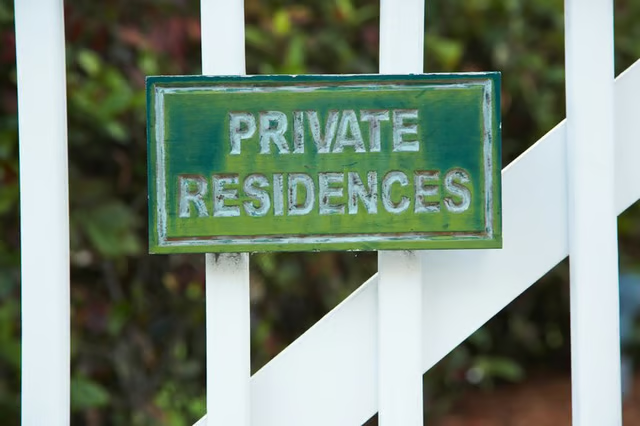
While some argue that these walled-off neighborhoods are elitist and anti-urban, others find they are an ideal solution to address their concerns.
-
Check your local ordinances to see if it is possible to convert your existing neighborhood with public streets into a gated community. Find out what the law requires you to do. You will likely need to petition your neighbors, and a certain percentage (often 60 percent or more) will have to agree.
-
Decide what level of security and amenities you want to create for your gated community. You can simply install a gate around the perimeter, requiring residents to type in a code for access or purchase an electronic gate opener. Some gated communities feature more advanced security controls such as motion sensors or armed guards.
-
Some gated communities also include special amenities for residents such as a clubhouse, swimming pool or sports facilities. Decide if you plan to create a homeowners' association and if the membership will be voluntary or mandatory.
-
Calculate how much each household would have to contribute for the upfront costs of the gate and other features as well as annual fees for maintenance. You should have a good idea of this amount before you present the idea to your neighbors.
-
Present the idea of a gated community to a few of your neighbors. Before you make any drastic moves, informally poll neighbors you know to find out if they are open to the idea. You may choose to hold a neighborhood barbecue or potluck dinner to introduce the concept to your neighbors. Explain the benefits of converting to a gated community and describe the process in detail.
-
Retain the services of a real estate lawyer to make sure you are filing all necessary paperwork and ask for quotes from several vendors for the gate and security features.