

Can Appliances Go Bad Sitting in Storage?

Sometimes when relocating to a new place or following a brief stay at a summer home, it's necessary to store your appliances long-term. Appliances, dishwashers, refrigerators and washing machines can go bad if left in storage for an extended period. They can sustain damage if water is not thoroughly drained before storing. Freezing, mildew and rust are the most common problems that can result from water remaining in a water line or interior compartment.
Storing a Washing Machine
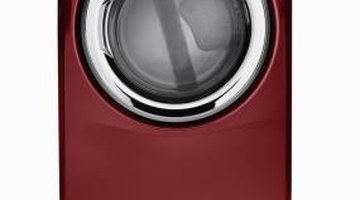
Before storing a washing machine, first clean the appliance. Run a regular washing cycle with one cup of bleach or vinegar, without garments inside, using warm or hot water. Clean the manual lint filter. When the cycle is complete, turn off the water faucets and disconnect the inlet hoses. Run the spin cycle to ensure that all water is emptied from the drain hose(s). Unplug the washing machine and lift the lid to allow air to circulate inside the tub. Close the lid before moving the washing machine to storage.
Storing a Dish Washer
Similar to preparing a washing machine for storage, to store a dish washer, first clean the appliance by running a regular washing cycle with one cup of dishwashing detergent. When the bottom of the dishwashing tub fills with water, add one cup of bleach. When the wash cycle is complete, clean the gasket door with a baking soda-water solution. Disconnect the water supply to the dishwasher. Consult the owner's manual for directions on how to drain the dishwasher, as each unit is different. Unplug the dishwasher before moving and storing.
Storing a Refrigerator
To store a refrigerator, remove all foods from the compartments and clean the shelves with a baking soda-water solution or a mild detergent. For models with automatic ice makers, raise the wire arm to turn off the ice maker and also disconnect the valve connected to the water line. Empty water from the holding tank and plastic tubing. Keep the refrigerator upright while transporting and storing to protect the unit.
Storage Tips
Protect the outside of appliances from scratches and dents that can occur during a move. Wrap them in bubble wrap or blankets to more safely transport. If storing appliances in a geographical location with extremes in temperatures, consider using a climate-controlled facility to protect the appliances against their mechanical and electrical parts from rusting and cracking.
References
Writer Bio
Stephanie Green is a writer with more than 10 years of experience. Her work has been published in various lifestyle and trade publications, covering parenting, gardening and human-interest stories. Green holds a Bachelor of Arts in English.
Photo Credits
- Ryan McVay/Photodisc/Getty Images
More Articles

